
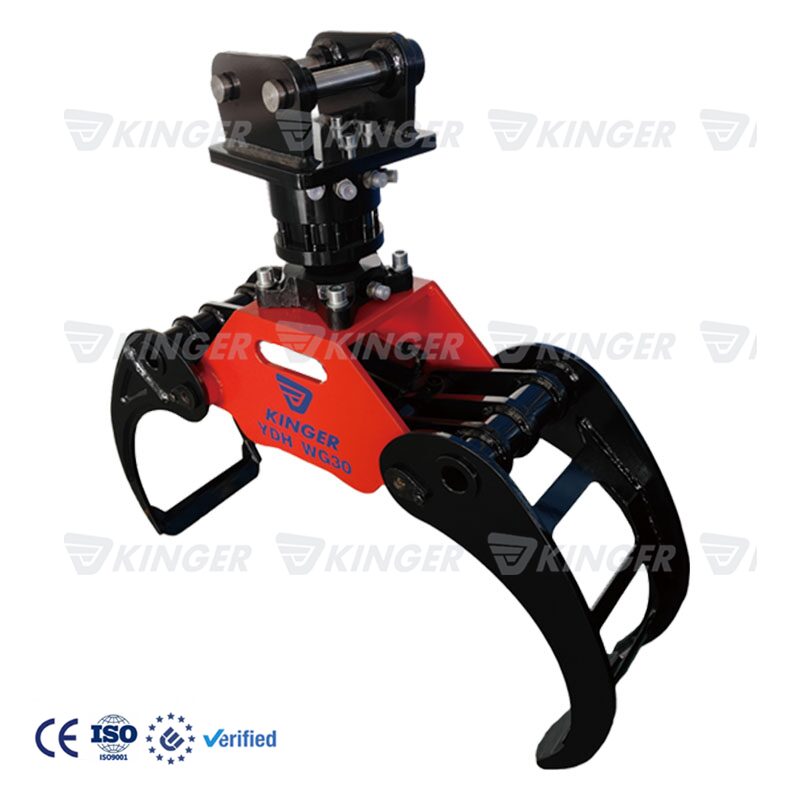
Hydraulic forestry machinery is the backbone of modern, high‑productivity forest operations.
This long‑form, SEO‑friendly guide is designed for buyers, distributors, and sourcing specialists
who are building or optimizing user approved manufacturer, supplier and factory listings
for hydraulic forestry equipment.
The content below is 100% generic and industry‑level: it does not promote any specific company,
brand, or trademark, and can be used directly for blog posts, directory pages, and industry category pages.
Use this page to:
Hydraulic forestry machinery refers to forest equipment that uses hydraulic systems
(pumps, valves, hoses, cylinders, and motors) to generate and control high force and torque for:
Unlike purely mechanical machines, hydraulic forestry machinery converts engine power into pressurized
fluid power. This allows precise, smooth, and powerful movement even under heavy loads and in
difficult terrain. The combination of diesel engines with advanced hydraulic circuits
is typical in harvesters, forwarders, skidders, loaders, and forestry excavator attachments.
| Component | Function in Hydraulic Forestry Machinery |
|---|---|
| Hydraulic Pump | Converts mechanical energy from the engine into hydraulic flow and pressure to power all functions. |
| Control Valves | Direct and regulate hydraulic oil flow to cylinders and motors; essential for smooth, precise operation. |
| Hydraulic Cylinders | Provide linear motion and force for boom lifting, blade raising, clamping, and steering. |
| Hydraulic Motors | Drive rotating components such as saw heads, mulcher rotors, feed rollers and winches. |
| Hoses & Fittings | Carry pressurized fluid across the forest machine; require high abrasion and pressure resistance. |
| Hydraulic Oil Tank | Stores hydraulic fluid, enables cooling and de‑aeration, and supplies the pump. |
| Filtration System | Removes contaminants and protects sensitive hydraulic components in harsh forestry environments. |
When evaluating potential manufacturers and suppliers of hydraulic forestry machinery,
buyers typically focus on the quality and reliability of these core hydraulic components along with
the overall machine design and after‑sales service.
Hydraulic forestry equipment covers a wide product range.
Below is an overview of the most common machine categories that buyers often look for when creating
factory listings or supplier directories.
Hydraulic forestry harvesters are purpose‑built or excavator‑based machines that cut, fell, delimb,
and sometimes cross‑cut trees in a fully mechanized process.
Their hydraulic systems power booms, tilt functions, leveling, and multi‑functional harvester heads.
| Parameter | Typical Range | Notes |
|---|---|---|
| Engine Power | 120 – 260 kW | Higher power for large diameter trees and steep slopes. |
| Operating Weight | 14 – 30 t | Depends on boom reach, head type, and cab protection. |
| Hydraulic System Pressure | 280 – 350 bar | High‑pressure systems for strong feeding and sawing performance. |
| Boom Reach | 7 – 11 m | Longer reach needed for selective thinning and large stands. |
| Tree Diameter Capacity | 400 – 750 mm | Harvester head design sets the max cut size. |
Forwarders transport processed logs or whole trees from stump to roadside landings.
Hydraulic cranes and grapples load and unload timber, while hydrostatic or hydraulic drive
systems move the machine over rough ground.
| Parameter | Typical Range | Description |
|---|---|---|
| Load Capacity | 8 – 20 t | Defines how much timber can be carried per trip. |
| Crane Reach | 6 – 10 m | Longer reach increases productivity in thinning operations. |
| Crane Lifting Torque | 60 – 160 kNm | Determines max log size and handling ability. |
| Hydraulic Pump Flow | 150 – 300 L/min | Higher flow provides faster crane cycle times. |
| Drive Type | Hydrostatic / Mechanical | Hydrostatic drives are common for precise movement and traction. |
Skidders drag felled trees or bunches from the stump to the landing.
Hydraulic power operates winches, grapples, and blades for bunching, pulling, and arranging logs.
| Parameter | Typical Range | Relevance |
|---|---|---|
| Engine Power | 120 – 220 kW | Critical for pulling large loads on steep slopes. |
| Winch Pulling Force | 100 – 300 kN | Shows maximum skidding power. |
| Grapple Capacity | 0.6 – 1.5 m² | Larger grapples bunch more stems per cycle. |
| Hydraulic System Pressure | 250 – 320 bar | Affects winch and grapple strength. |
| Drive Configuration | 4×4 / 6×6 | More driven axles improve traction in muddy terrain. |
Hydraulic log loaders use articulated booms and grapples to handle timber, pulpwood,
and biomass on landings, sawmills, and log yards. They can be truck‑mounted, trailer‑mounted, or stationary.
| Parameter | Typical Range | Key Points |
|---|---|---|
| Max Reach | 6 – 12 m | Crucial for coverage of trucks and timber piles. |
| Lifting Moment | 40 – 150 kNm | Defines lifting strength and log size capacity. |
| Swivel Range | 360° continuous (common) | Improves efficiency in tight landings and mills. |
| Hydraulic Flow | 80 – 200 L/min | Determines loading speed and cycle time. |
| Mounting Type | Truck / Trailer / Stationary | Variable depending on logistics and operation style. |
Hydraulic wood splitters and firewood processors transform logs into split wood or kindling.
Cylinders push wood against blades or wedges with very high force.
| Parameter | Typical Range | Details |
|---|---|---|
| Splitting Force | 10 – 40 tons | Common for small to medium commercial units. |
| Cylinder Stroke | 500 – 1000 mm | Impacts maximum log length capability. |
| Cycle Time | 6 – 20 s | Shorter cycle times improve productivity. |
| Log Diameter | 250 – 600 mm | Specifies maximum roundwood size. |
| Power Source | PTO / Electric / Engine | PTO and engine drives are common in remote forest sites. |
Forestry attachments are hydraulic tools fitted to carriers such as excavators, loaders,
and skid steers. These attachments transform general construction equipment into
high‑performance hydraulic forestry machinery.
| Attachment Type | Typical Application | Key Hydraulic Parameters |
|---|---|---|
| Forestry Mulcher Head | Land clearing, brush cutting, vegetation management. | Flow 80 – 250 L/min, pressure 200 – 350 bar. |
| Felling Head / Feller Buncher Head | Felling and bunching of trees before skidding. | High clamp force, robust saw or shear, rotation torque. |
| Grapple / Grapple Saw | Handling, loading, light processing of logs. | Rotation 360°, open/close speed, grapple area 0.2 – 1.5 m². |
| Stump Grinder | Stump removal and site reclamation. | High torque hydraulic motor, durable cutting wheel. |
| Hydraulic Winch | Assisted logging, cable yarding, recovery operations. | Pulling force 50 – 250 kN, controlled line speed. |
When building a directory of best hydraulic forestry machinery manufacturers and suppliers,
it is useful to highlight the core benefits of hydraulic systems for forestry users.
These benefits often guide purchasing decisions and influence which factories buyers prefer.
To build meaningful user approved manufacturer and supplier listings,
directories should present comparable technical specifications for each hydraulic forestry machine.
The following tables show important specification categories that are relevant across product types.
| Specification | Typical Values | Relevance in Supplier Selection |
|---|---|---|
| Operating Weight | 3 – 40 t+ | Affects ground pressure, transport regulations, and stability. |
| Engine Power | 30 – 300+ kW | Determines machine capability, especially in heavy logging conditions. |
| Fuel Type & Emission Stage | Diesel, EU Stage V, US Tier 4f, etc. | Important for compliance and environmental policies. |
| Transmission / Drive Type | Hydrostatic, mechanical, hybrid | Impacts traction, control, and fuel efficiency. |
| Travel Speed | 0 – 25 km/h | Determines relocation speed between stands and landings. |
| Hydraulic Spec | Typical Range | Selection Criteria |
|---|---|---|
| Max System Pressure | 200 – 380 bar | Higher pressure allows more force from smaller cylinders and motors. |
| Pump Flow Rate | 60 – 350 L/min | Impacts cycle times of booms, heads, and attachments. |
| Pump Type | Gear, vane, axial piston | Piston pumps common in high‑end forestry machines. |
| Hydraulic Oil Capacity | 50 – 400 L | Affects cooling, contamination resistance, and fluid life. |
| Control Type | Manual, pilot‑operated, electro‑hydraulic | Modern machines rely on proportional electro‑hydraulic controls. |
| Parameter | Typical Range | Use in Comparison |
|---|---|---|
| Grapple Area | 0.2 – 1.5 m² | Indicates log bunching and loading capacity. |
| Mulcher Working Width | 1.0 – 2.5 m | Defines cleared width in single pass. |
| Saw Bar Length (Heads) | 500 – 900 mm | Relates to tree diameter and cutting speed. |
| Feed Roller Force | 15 – 40 kN | Important for harvester head feeding performance. |
| Rotation Range | 190° – 360° | Determines maneuverability of grapples and heads. |
| Cab Feature | Typical Options | Buyer Considerations |
|---|---|---|
| Cab Protection | ROPS, FOPS, OPS | Ensures safety from rollovers and falling objects. |
| Control Interface | Joystick, pedals, LCD/Touch Screen | Comfort and intuitive operation for long shifts. |
| Visibility | Large glazing, cameras, lighting | Essential for precise crane and head operation. |
| Climate System | Heating, air‑conditioning, filtration | Required for operator health in extreme climates. |
| Noise and Vibration | Sound‑insulated, suspended seat | Impacts long‑term fatigue and operator retention. |
Hydraulic forestry machinery is used across the entire timber production lifecycle.
When classifying products and factories in an online directory, grouping by application can help buyers
quickly find the right equipment.
| Application Segment | Typical Hydraulic Forestry Machinery | Key Performance Requirements |
|---|---|---|
| Clear‑Cutting Operations | Harvesters, feller bunchers, skidders, large forwarders | High capacity, robustness, long boom reach, strong traction. |
| Thinning and Selective Logging | Compact harvesters, small forwarders, excavator‑based processors | Low ground pressure, high maneuverability, precision. |
| Biomass and Energy Wood | Mulchers, chippers, grapples, bundlers | Continuous duty, strong feeding hydraulics, efficient handling. |
| Land Clearing and Site Preparation | Mulcher heads, stump grinders, dozer‑blades, winches | High torque, impact resistance, robust hydraulic hoses. |
| Road and Trail Building | Excavators with forestry booms, hydraulic breakers, rippers | Multi‑functional hydraulics, quick couplers, strong frames. |
| Log Yard and Mill Handling | Log loaders, grapple cranes, stationary hydraulic equipment | High cycle counts, reliability, low downtime, accurate stacking. |
For a user approved manufacturer and factory listing to be truly helpful,
it should explain what makes a manufacturer reliable.
Below are neutral, industry‑standard evaluation criteria that buyers typically use
when comparing hydraulic forestry machinery suppliers.
Directories and industry portals that list hydraulic forestry machinery manufacturers, suppliers and factories
can significantly increase visibility in search engines by following structured, keyword‑rich content practices.
The recommendations below are generic and do not reference any specific company.
Hydraulic forestry machinery works in challenging, often sensitive environments.
Buyers and regulators pay increasing attention to health, safety, and environmental performance.
Factory listings that highlight these aspects deliver additional value.
To support purchasing decisions and supplier comparisons,
a structured checklist helps buyers evaluate hydraulic forestry machinery proposals.
Below is a sample framework that can be adapted for tenders or RFQs.
| Checklist Category | Key Questions | Notes for Buyers |
|---|---|---|
| Application Fit | Is the machine or attachment sized for the average tree diameter, terrain, and production target? | Over‑ or under‑sized equipment reduces efficiency and ROI. |
| Hydraulic Performance | Does the machine offer enough hydraulic pressure, flow and cooling for continuous duty? | Check optional pump sizes or auxiliary circuits for attachments. |
| Durability and Protection | Are hydraulic components, hoses, cylinders, and valves protected from branches and debris? | Look for guarding options and steel line routing where possible. |
| Operator Comfort | Is the cab safe, comfortable, and ergonomically designed for long shifts? | Consider adjustability of controls and seat, visibility, and climate control. |
| Maintenance Access | Are service points, filters, and hydraulic components easily accessible? | Quick maintenance reduces downtime and cost of ownership. |
| After‑Sales Support | What is the supplier’s support network, response time, and parts availability? | Essential for remote forest operations and seasonal peaks. |
| Total Cost of Ownership | How do purchase price, fuel use, maintenance, and resale value compare? | Life‑cycle cost analysis is more important than initial price alone. |
The following table illustrates a generic template that directories can use when collecting data
from hydraulic forestry machinery manufacturers and factories.
No actual company data is included; it is only a structure example.
| Field | Description | Example Entry Type |
|---|---|---|
| Machine Category | Type of hydraulic forestry machinery. | Harvester / Forwarder / Skidder / Mulcher Attachment |
| Model Series | Internal model designation. | Text (e.g., “Series 200 Harvester”) |
| Operating Weight | Machine operating weight with standard equipment. | Numeric (t or kg) |
| Engine Power | Rated engine output. | Numeric (kW or hp) |
| Max Hydraulic Pressure | Main system working pressure. | Numeric (bar) |
| Total Hydraulic Flow | Combined flow of primary pumps. | Numeric (L/min) |
| Boom/Crane Reach | Maximum horizontal reach. | Numeric (m) |
| Attachment Capacity | Grapple area, cutting diameter, mulching width, etc. | Numeric (m², mm, or m) |
| Cab Features | Protection level, control type, comfort options. | Text description |
| Compliance | Emission stage, safety directives, certifications. | Text (e.g., “Stage V, CE, ROPS/FOPS”) |
| Primary Applications | Typical forestry tasks. | Keywords (e.g., “Thinning, Clear‑cut, Biomass”) |
Directories that stay updated with technology trends attract more professionals.
Below are neutral, industry‑wide developments relevant to hydraulic forestry equipment manufacturers and suppliers.
Hydraulic forestry machinery is essential for modern, efficient and sustainable forest operations.
From large harvesters to compact mulchers and grapples, hydraulic systems deliver the power,
precision, and durability required in some of the world’s toughest working environments.
For portals, directories, and industry websites, presenting detailed, neutral information about
hydraulic forestry machinery manufacturers, suppliers, and factories helps buyers
find the right partners while also improving search engine visibility.
By using standardized specification tables, clear category structures, and content that explains
the core benefits and technical parameters of hydraulic forestry machines,
you can create user approved listings that serve both professional loggers
and procurement teams around the world.
This guide can be adapted as a cornerstone article, category introduction, or educational resource
within any online platform focused on hydraulic forestry equipment and related industrial machinery.
```
Ova web stranica koristi kolačiće kako bi vam osigurala najbolje iskustvo na našoj web stranici.


 English
 Español
 Portugues
 Français
 Italiano
 Nederlands
 Polski
 Română
 lietuvių



 Whatsapp
 Telefon
Komentar
(0)